
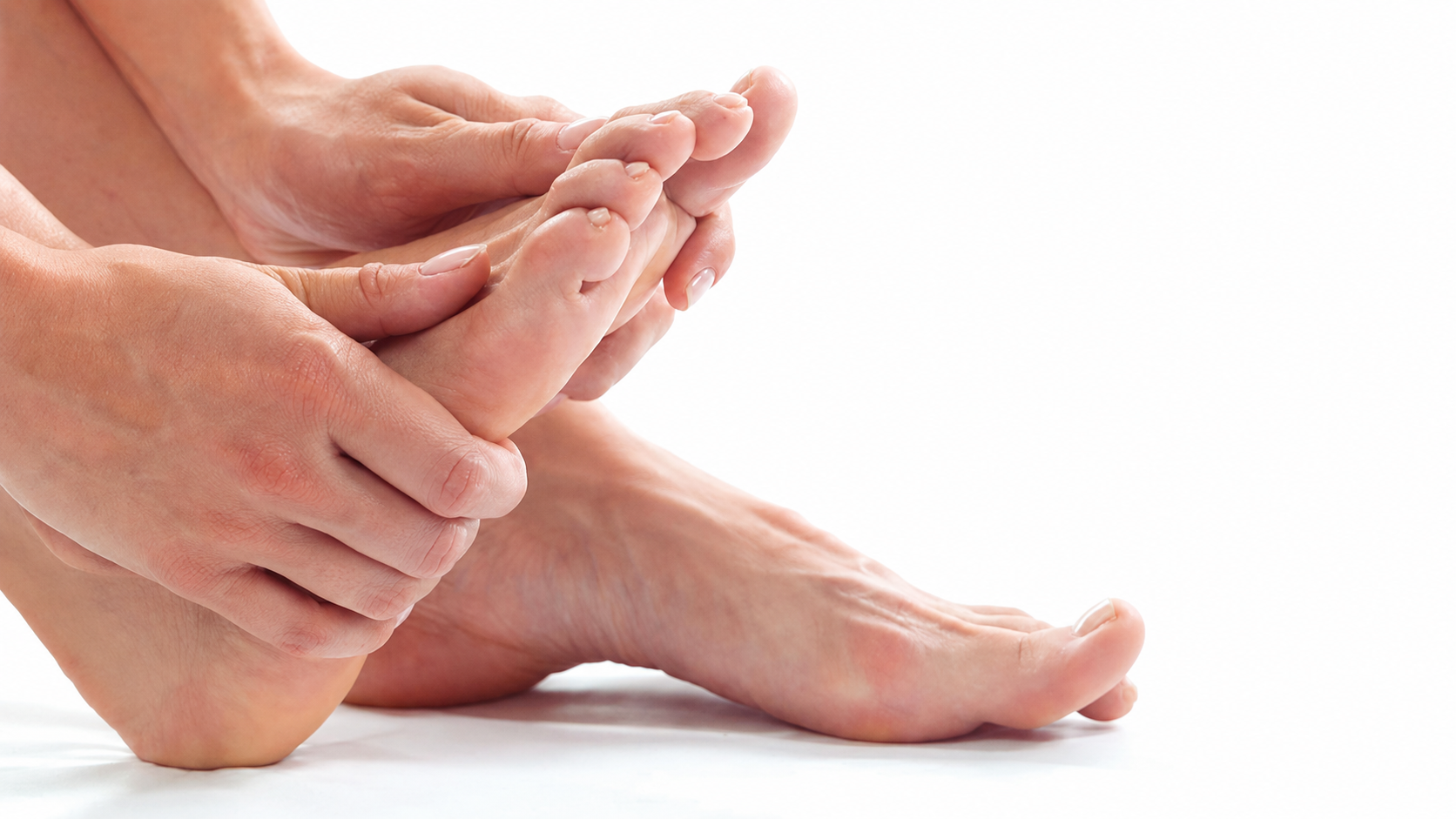
ONYCHOMYCOSIS
Hello and welcome. Today we will talk about a problem more common than it seems, but often ignored or poorly treated: onychomycosis, a fungal infection that affects the nails and can compromise not only the appearance but also the health of the foot or hand. Let's explore in depth what it is, why it occurs, and how it can be effectively combated.
Remember that there are perfect products for the care of your feet and fingers, for this, use the wonderful products of Pura+, Made for your well-being
ETYMOLOGY AND SYNONYMS
The word "onychomycosis" comes from the Greek: onyx meaning "nail" and mykes meaning "fungus". That is, literally: fungal infection of the nail.
Among the synonyms or related terms we find: nail mycosis, nail fungus, or tinea unguium. Although the correct medical term is onychomycosis, in colloquial language it is often simply referred to as "nail fungus."
DEFINITION
Onychomycosis is a chronic and progressive fungal infection that affects one or more nails, both on hands and feet, with the latter being the most commonly affected. It occurs due to the invasion of the nail bed and nail plate by fungi, especially dermatophytes, although yeasts (such as Candida) and non-dermatophyte molds can also be involved.
This condition is characterized by a slow but persistent process, where the nail begins to show signs of thickening, discoloration, and fragility. The infection may start at the distal edge (outer part of the nail), on the sides, or even from the base, depending on the type of fungus and the patient's immunological state.
SYMPTOMS
The most common signs of onychomycosis include:
Progressive thickening of the nail: Infected nails become thicker, harder, and irregular, which can cause pain when wearing shoes or difficulty when cutting them.
Color change: Discoloration is observed ranging from white to yellow, brown, or even greenish. This change usually starts at a specific point and spreads over time.
Fragility and detachment: The nail loses its natural consistency, fragments easily, and can partially detach from the nail bed, creating spaces where debris accumulates and promotes infection.
ETIOLOGY, CAUSES AND DIAGNOSES
Onychomycosis can develop due to multiple causes, but here are three of the most common:
Constant moisture and poor ventilation: Humid and dark environments, such as those generated inside closed footwear, facilitate the development of fungi, especially if there is excessive sweating or prolonged use of damp socks.
Repeated trauma or nail injuries: Lesions, even small but frequent ones, create microfissures through which fungi can more easily invade the nail.
Immunological factors and chronic diseases: People with weakened defenses, such as diabetic patients, those with poor circulation, or immunosuppression, are at greater risk of developing resistant or recurrent onychomycosis.
The clinical diagnosis is made through direct observation of the affected nail, but to confirm the type of fungus, laboratory studies such as potassium hydroxide (KOH) examination or mycological culture can be performed.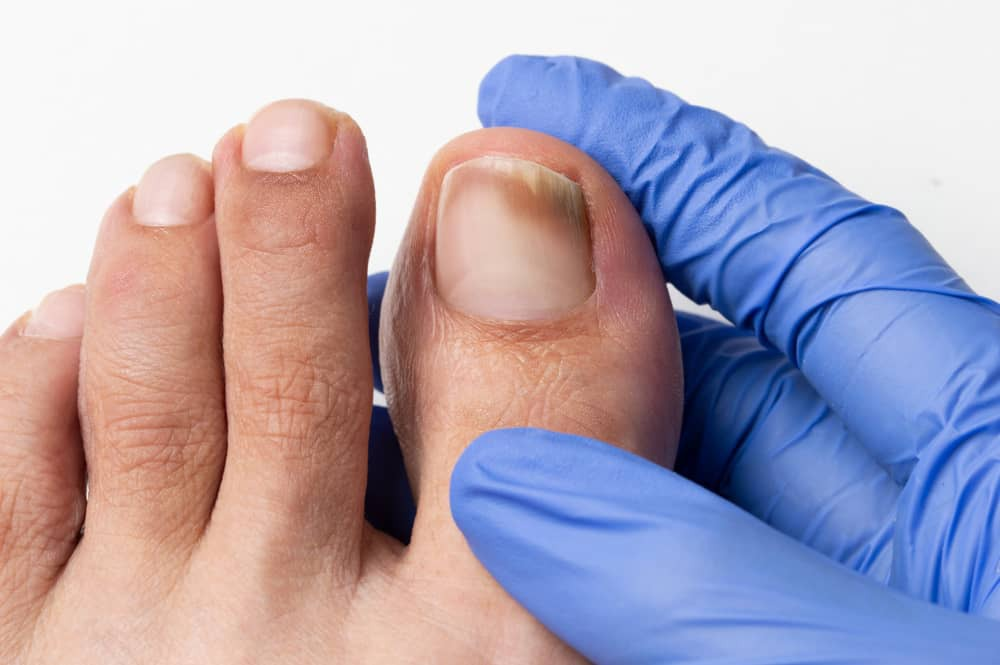
TREATMENTS
The treatment of onychomycosis depends on the degree of involvement, the type of fungus, and the overall condition of the patient. Here are the three most commonly used:
Topical antifungals: These are products in the form of nail polish, cream, or solution applied directly to the nail. They are useful in initial phases or when the infection is localized. They require consistency, as they must be applied for several months to reach the nail matrix.
Oral antifungals: Medications like terbinafine or itraconazole act from within and are especially useful in advanced cases or when multiple nails are affected. They are more effective but require medical supervision due to the risk of liver side effects.
Combined or physical therapies: In resistant infections, antimycotic laser, nail microabrasion to improve treatment penetration, or in extreme cases, partial or total removal of the infected nail to allow clean regeneration can be used.
Remember that with the right products for your feet, you can prevent this uncomfortable disease, for this use the amazing products of Puramás, from insoles and socks with good ventilation to toe protectors, our products help you prevent any kind of discomfort in your feet.
CONCLUSIONS
AND REFLECTIONS
Onychomycosis is not a simple aesthetic problem. It is an infection that must be treated seriously, as it can cause pain, permanent deformities, and complications if not addressed. Acting in time, following the complete treatment, and adopting preventive habits is the best way to control this condition.
Remember that every sick nail deserves specialized medical
attention. Do not hide it: treat it.

The brands Beybies, Pura+ and NrgyBlast belong to Avimex de Colombia SAS. All products have quality certifications and current sanitary registrations and are manufactured under the strictest international standards. To purchase our products you can access our Shop-On Line. All purchases are backed by a 100% satisfaction or refund warranty.


