

Coenzyme Q10 – The Invisible Spark That Could Change Your Energy
Sometimes the body doesn't "shut down" suddenly... it just stops producing enough energy to function as before. Fatigue, accelerated aging, mental exhaustion, muscle weakness... many times it's not a lack of will, but a lack of cellular energy.
And if there was a molecule that participates directly in the energy production of every cell in the body, protects the heart, and also acts as a natural antioxidant... you would probably understand why Coenzyme Q10 has become one of the most studied supplements in the world.
But first, if you are looking for products to take care of your health, discover the best products with Puramás.
ETYMOLOGY AND SYNONYMS
The word "Coenzyme" comes from the Greek enzyme, which means "ferment" or "biological agent," while "Q10" refers to its chemical structure based on a chain of 10 isoprenoid units.
Its technical name is ubiquinone, derived from "ubiquitous," meaning "present everywhere," because this molecule exists in virtually all human cells.
It is also known as:
· Ubiquinone
· Ubiquinol (its active reduced form)
· CoQ10
· Vitamin Q (although technically not a vitamin)
· "The cellular energy molecule"
HISTORY AND ORIGINS
Coenzyme Q10 was discovered in 1957 by scientist Frederick Crane while researching compounds related to cellular energy production in the bovine heart. Shortly thereafter, researcher Karl Folkers managed to identify its complete chemical structure, opening the door to decades of research on metabolism, aging, and cardiovascular health.
Since then, COENZYME Q10 has been the subject of thousands of scientific studies due to its crucial role in mitochondria, known as the "powerhouses" of cells.
The human body naturally produces CoQ10, but its levels begin to progressively decrease after the age of 30. Factors such as:
· Aging
· Oxidative stress
· Diabetes
· Cardiovascular diseases
· Statin use
· Poor diet
can further accelerate this decline.
It can also be found in small amounts in foods such as:
· Fatty fish
· Red meat
· Organ meats
· Nuts
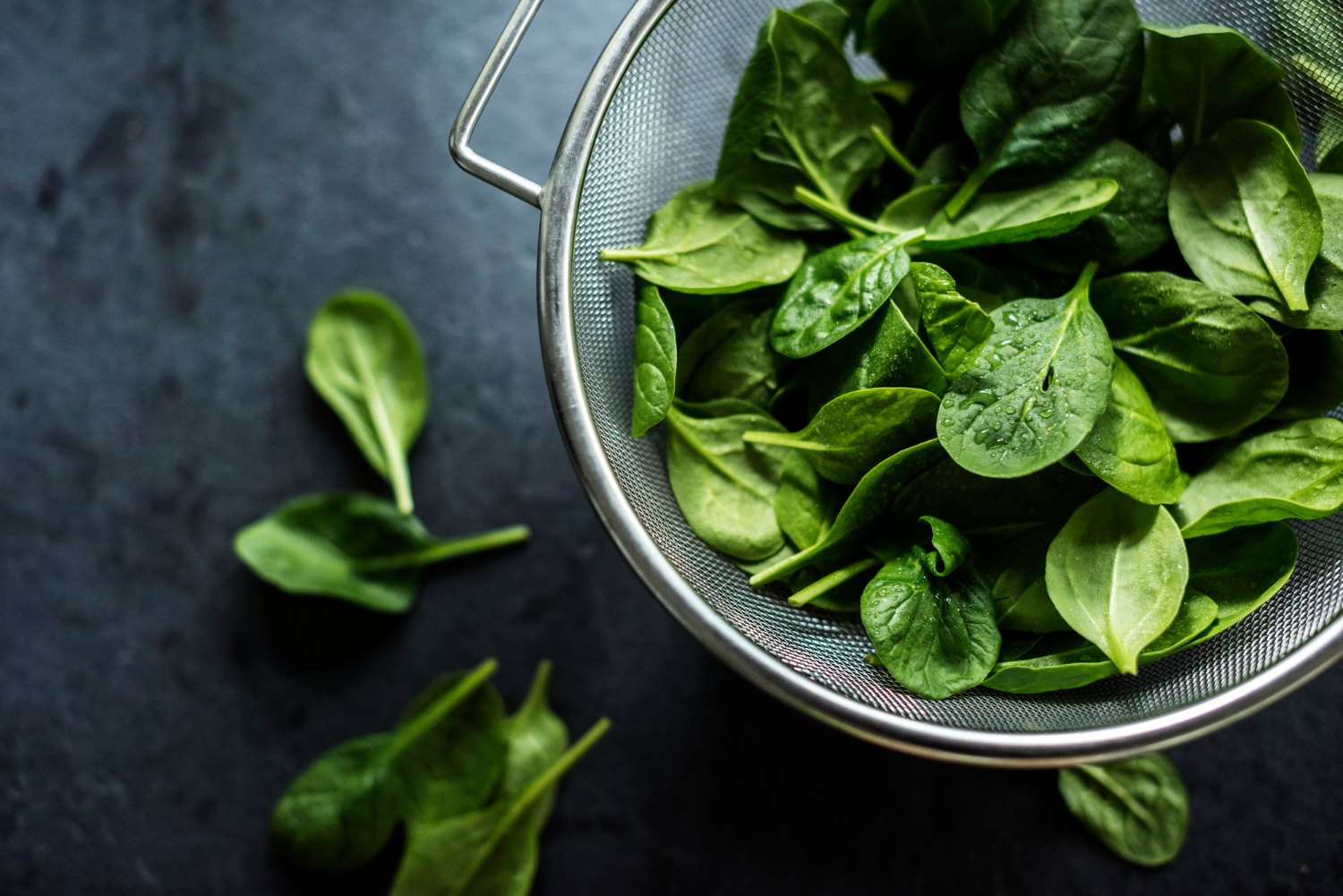
· Spinach
· Broccoli
However, the amounts obtained through diet are usually low compared to those used in clinical studies.
USES AND BENEFITS
Coenzyme Q10 has gained enormous popularity due to its relationship with cellular energy, healthy aging, and cardiovascular health. These are some of its most scientifically supported benefits:
1. Improves energy production and reduces fatigue
CoQ10 participates directly in the mitochondrial electron transport chain, an essential process for producing ATP, the body's "energy currency."
When CoQ10 levels decrease, many people experience:
· Physical fatigue
· Mental exhaustion
· Low endurance
· Slow muscle recovery
A study published in the Journal of the International Society of Sports Nutrition showed that CoQ10 supplementation improved physical performance and reduced markers of oxidative fatigue in active adults.
2. Protects the heart and improves cardiovascular health
The heart is one of the organs that consumes the most energy, which is why it depends heavily on CoQ10.
Various studies have found that supplementation can help:
· Improve cardiac function
· Reduce vascular oxidative stress
· Support blood pressure control
· Decrease symptoms in heart failure
The famous Q-SYMBIO study, published in JACC Heart Failure (2014), found that heart failure patients who consumed CoQ10 had a lower risk of serious cardiovascular events.
3. Acts as a potent antioxidant and may delay cellular aging
Coenzyme Q10 not only produces energy: it also protects cell membranes from oxidative damage caused by free radicals.
This has made it a widely used ingredient in:
· Anti-aging supplements
· Cosmetics
· Longevity protocols
· Brain health
Studies suggest it may help protect the skin, neurons, and muscle cells from deterioration associated with aging.
CONTRAINDICATIONS AND PRECAUTIONS
Although Coenzyme Q10 is considered safe for most people, there are some important considerations:
Mild gastrointestinal discomfort
In some people it may cause:
· Nausea
· Heartburn
· Mild abdominal pain
· Occasional diarrhea
These effects usually occur with high doses or when consumed on an empty stomach.
Possible interactions with medications
CoQ10 may interact with some medications such as:
· Anticoagulants (warfarin)
· Blood pressure medications
· Diabetes treatments
Therefore, medical supervision is recommended if consumed alongside pharmacological treatments.
Use in pregnancy and lactation
While some studies suggest relative safety, there is still not enough solid evidence on long-term supplementation during pregnancy and lactation, so it should be consulted with a health professional beforehand.
CONCLUSIONS AND REFLECTIONS
Coenzyme Q10 represents much more than a popular supplement. It is an essential molecule for cellular life, directly involved in energy, antioxidant protection, and the functioning of vital organs such as the heart and brain.
Puramás offers you a line of products for foot care, orthopedics, and physiotherapy. Visit us on our website puramás.co and get the best advice on nutrition, healthy living, and above all, the best products on the market.

The brands Beybies, Pura+ and NrgyBlast belong to Avimex de Colombia SAS. All products are quality certified and have current sanitary registrations and are manufactured under the strictest international standards. To purchase our products, you can access our Shop-On Line. All purchases are backed by a 100% satisfaction or refund guarantee.


