

ALL ABOUT BERBERINE – A NATURAL TREASURE FOR YOUR HEALTH
Imagine a natural compound so powerful that it can regulate your blood sugar, improve your metabolism, and combat bacteria... all at once. It's not magic, it's science. Today we will talk about berberine, an ancient substance that is revolutionizing modern health. Is it worth taking? Is it safe? How is it used? Stay until the end, because we are going to tell you everything.
But wait, if you need the best orthopedic products, Pura+ is for you, our wonderful insoles are made for your well-being and comfort.
Today on Pura+ Channel TV, Berberine
ETYMOLOGY AND SYNONYMS
The word berberine comes from the Latin Berberis, a genus of shrub plants also known as barberry. These plants have been used for centuries by different cultures, especially for their roots and stems rich in this intense yellow alkaloid.
Among its most common synonyms are 'berberine chloride', 'barberry extract', or simply 'berberine supplement'. Despite having different names, they all refer to the same bioactive compound, isolated from different plant species.
HISTORY AND ORIGINS
Berberine is not a passing trend or a recent discovery. Its origins date back to millennial civilizations such as China, India, and Persia. In traditional Chinese medicine, it was part of the herbal arsenal to treat gastrointestinal infections, severe diarrhea, dysentery, and even some parasitic diseases. In Ayurveda, the traditional medicine of India, it was used as part of the treatment for diabetes, eye, liver, and skin diseases.
Its chemical isolation was achieved in the 19th century when European scientists began to study the active principles of the plants used by Asian cultures. What they found was an alkaloid with broad antimicrobial, anti-inflammatory, and metabolic properties. Since then, berberine has been the subject of multiple scientific investigations, especially in areas such as endocrinology, microbiology, and metabolic medicine."
USES AND BENEFITS
Berberine is one of those substances that seem too good to be true… but science confirms many of its effects. Below, we share three of its most impactful uses, explained in depth:
1. Blood glucose reduction
Berberine improves insulin sensitivity and decreases hepatic glucose production by activating the AMPK enzyme, similar to the action of metformin. This makes it an effective option as a complementary treatment for type 2 diabetes.
A meta-analysis published in Metabolism (Yin et al., 2008) found that berberine significantly reduces fasting glucose, glycated hemoglobin (HbA1c), and postprandial levels. Furthermore, it showed an adequate safety profile when administered in doses of 500 mg twice a day.
2. Improvement of lipid and cardiovascular profile
Various studies show that berberine reduces LDL cholesterol, triglycerides, and total cholesterol levels, while slightly raising HDL cholesterol. This helps to decrease the risk of cardiovascular diseases.
A review in Phytomedicine (Kong et al., 2004) explains that this effect is partly due to the reduction of PCSK9 expression, a protein that regulates LDL receptors. A decrease in total cholesterol of up to 20% has been observed after 3 months of use.
3. Antimicrobial and digestive effect
Berberine has antibacterial, antifungal, and antiparasitic effects. It has been traditionally used to treat diarrhea, intestinal dysbiosis, and gastritis associated with Helicobacter pylori.
A study in Frontiers in Microbiology (Wang et al., 2019) confirmed that berberine inhibits the growth of H. pylori and Candida albicans, as well as beneficially modulating the intestinal microbiota. This makes it useful in functional gastrointestinal disorders.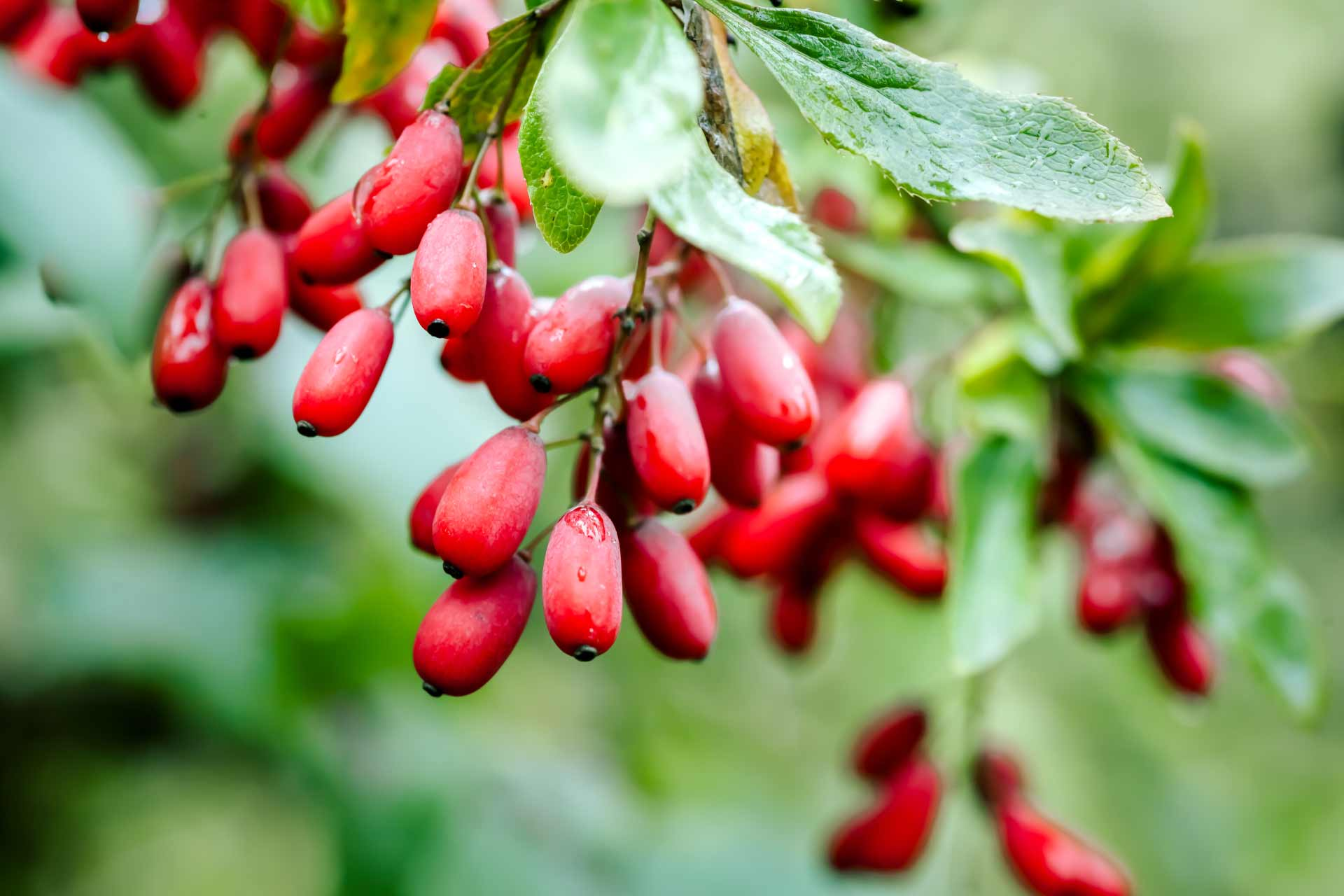
CONTRAINDICATIONS AND PRECAUTIONS
Although berberine has multiple benefits, it is essential to use it with caution and under medical supervision, especially if you have a health condition or take medications. Here are three key points you should keep in mind:
1. Not suitable for pregnant, breastfeeding women or young children
Berberine crosses the placenta and can also pass through breast milk. Studies have shown a risk of fetal harm and side effects in neonates, so its use during pregnancy and breastfeeding is completely discouraged. It should also not be administered to children under 12 years, unless specifically indicated by a specialist doctor.
2. May interact with important medications
Berberine can enhance the effect of medications for diabetes, antihypertensives, anticoagulants, antibiotics, and sedatives. This can cause excessive drops in glucose or blood pressure, bleeding, or even intense drowsiness.
If you are taking any chronic medical treatment, especially if it includes metformin, warfarin, insulin, or antibiotics, consult your doctor before starting supplementation with berberine.
3. Possible digestive side effects
In some people, especially when starting its use or if used in high doses, berberine can cause nausea, diarrhea, gas, abdominal pain, or constipation.
The dose should be started gradually, with the general recommendation being 500 mg two or three times a day, ideally with meals.
Prolonged use without supervision can also alter the intestinal microbiota, so it is recommended to take breaks or take it in cycles."
CONCLUSIONS AND REFLECTIONS
Berberine represents that rare case where ancestral wisdom and scientific evidence meet. Extracted from humble plants, this alkaloid has shown an impressive pharmacological profile: it regulates sugar, improves metabolism, combats bacteria… and all from a natural source.
If you are thinking of including it in your routine, do so responsibly and consult your doctor. And if you already use it, tell us your experience in the comments. Has it worked for you? Have you felt real changes?
The brands Beybies, Pura+ and NrgyBlast belong to Avimex de Colombia SAS. All products have current quality certifications and sanitary registrations and are manufactured under the strictest international standards. To purchase our products, you can access our Shop-On Line. All purchases are backed by a 100% satisfaction or refund guarantee.


